Still pretending you’ve switched off?
Still sneakily scanning the headlines between dips in the pool?
Welcome back to Beach Reads. A weekly sun-lounger series for marketers who just can’t leave their brains at home. Think Marketing Week meets Black Mirror. Entertaining enough for holiday mode, sharp enough to stick with you come September.
Here’s 2/8. A modern fable with bite. Part Aesop, part Bret Easton Ellis. The Ozempic Effect isn’t just about shrinking waistlines. It’s about shrinking wants. Shrinking attention. Shrinking cultural appetite.
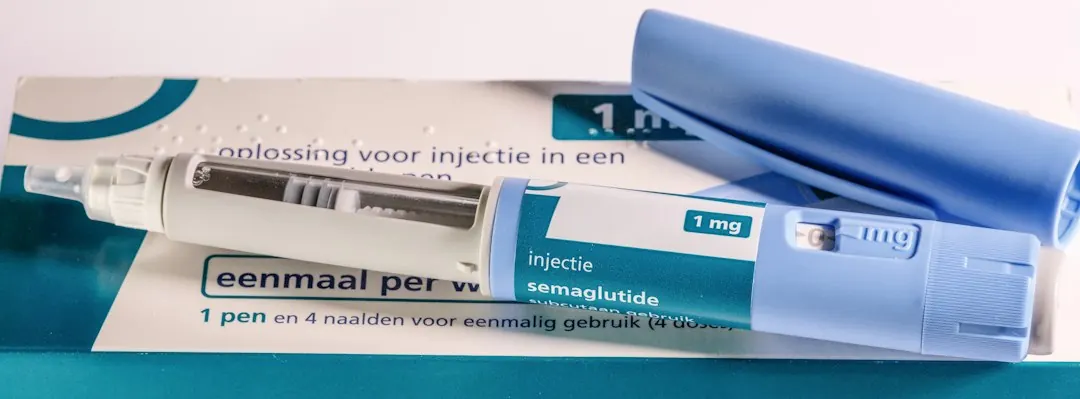
Photo by Haberdoedas on Unsplash
Once upon a Wednesday, in a marketing war room lined with UX heatmaps and recycled buzzwords, a problem surfaced.
Nobody was hungry anymore.
Not metaphorically. Literally. Appetite was vanishing. Clicks were down. Cravings were muted. Fast food chains were offering loyalty points for just finishing a meal. Snack brands were quietly shrinking product lines. Influencer #SponCon for protein shakes was tanking. And all the while, the drugs rolled in. Little pens with names like Ozempic, Wegovy, Mounjaro - whispering sweet nothings to the hypothalamus.
Desire itself was under siege.
The CMO of a legacy indulgence brand, we’ll call her Madeline, stared at the Q2 reports and chewed a nail she hadn’t painted in weeks. Consumers weren’t just eating less. They were feeling less. Their attention spans were sharper, colder, more transactional. Less binge, more browse. Less lust, more list.
Madeline summoned the team. “This isn’t just about calories. This is about wanting.”
A strategist suggested repositioning the brand as a mindfulness tool. A copywriter drafted an email campaign headlined: “Savour Slowly, Feel Fully.”
Sales dropped another 3%.
In Miami, a frozen meal conglomerate pivoted. “GLP-1 Friendly” appeared on packaging - high protein, low sugar, zero joy.
In Brooklyn, a DTC startup launched “emotional snacking” - nostalgic flavours from childhood with cognitive prompts like “You were safe once.”
In L.A., a content strategist coined a new metric: Desire Per Pixel (DPP). She was hired immediately by TikTok.
Madeline, meanwhile, booked a trip to Sardinia. Not for trendspotting. For anchovies, and salt, and sun-warmed peaches. She came back changed.
The next campaign wasn’t about hunger. It was about remembrance.
Not “eat more.”
But: Remember what it felt like to want something with your whole body.
It worked.
Because even if the chemicals in our brains rewrite how much we need, they can’t erase how it felt - to crave, to long, to need.
That was the angle now: marketing as archaeology. Digging for feelings buried under dopamine drip-feeds and medicated metabolisms.
Brands would no longer win by stoking appetite. They’d win by evoking memory. Craving as cultural artifact.
And so the work changed.
Slogans became softer. Colours deepened. The pace slowed. Every campaign whispered: “You used to want this. You still do, somewhere.”
And slowly, sales stabilised.
Because even in a world of engineered satiety, there is always something that lives in the gut.
A memory.
A longing.
A taste.
And for marketers, that’s the new battlefield: not the stomach, but the soul.
To be continued…
Put your phone down. Stare up into the blue sky and think about how your brand might exist in a world with literally no appetite for brands. Or just order a drink. You can always have a chat with The Liberty Guild when you get back. We can help your brand narrative end well…